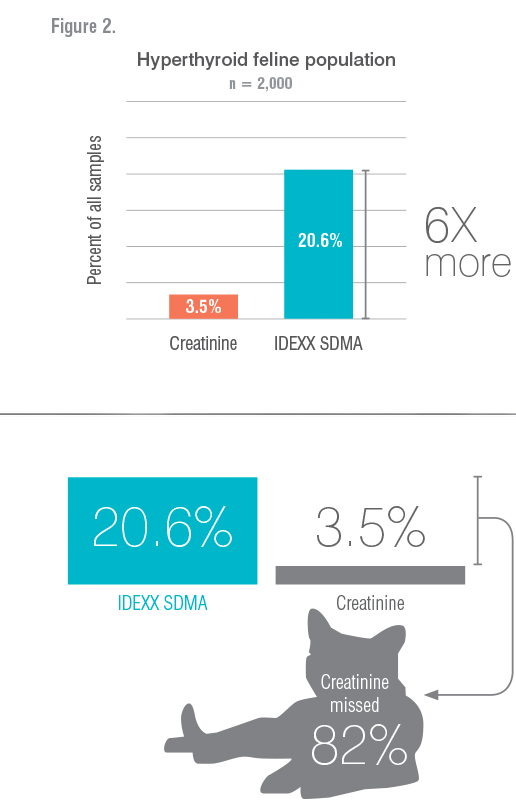
In the realm of veterinary diagnostics, the Sdma Idexx Test stands out as a crucial tool for assessing kidney health in pets. This test measures Symmetric Dimethylarginine (SDMA), a biomarker that provides early indications of kidney dysfunction. Understanding the significance of the Sdma Idexx Test can help pet owners and veterinarians take proactive measures to ensure the well-being of their furry companions.
Understanding the Sdma Idexx Test
The Sdma Idexx Test is designed to detect early stages of kidney disease in pets. Unlike traditional tests that measure creatinine and blood urea nitrogen (BUN), the Sdma Idexx Test offers a more sensitive and reliable indicator of kidney function. SDMA is a byproduct of protein metabolism that is excreted by the kidneys. Elevated levels of SDMA can signal kidney issues long before other markers show abnormalities.
Why is the Sdma Idexx Test Important?

The importance of the Sdma Idexx Test lies in its ability to provide early detection of kidney disease. Early intervention can significantly improve the prognosis and quality of life for pets. Here are some key reasons why this test is crucial:
- Early Detection: The Sdma Idexx Test can identify kidney issues up to four years before traditional tests.
- Accurate Results: SDMA levels are less affected by factors like dehydration and muscle mass, making the test more reliable.
- Proactive Management: Early detection allows veterinarians to implement dietary and therapeutic interventions to slow the progression of kidney disease.
How is the Sdma Idexx Test Performed?
The Sdma Idexx Test is typically performed as part of a routine blood panel. A small blood sample is taken from the pet and sent to a laboratory for analysis. The results are usually available within a few days, providing veterinarians with valuable insights into the pet's kidney health.
Here is a step-by-step overview of the process:
- Blood Sample Collection: A veterinarian or veterinary technician draws a blood sample from the pet.
- Sample Processing: The blood sample is processed to separate the serum, which contains SDMA.
- Laboratory Analysis: The serum is analyzed using specialized equipment to measure SDMA levels.
- Result Interpretation: The results are interpreted by the veterinarian, who will discuss the findings with the pet owner.
📝 Note: It is important to follow the veterinarian's recommendations for follow-up tests and treatments based on the results of the Sdma Idexx Test.
Interpreting the Results of the Sdma Idexx Test
The results of the Sdma Idexx Test are typically reported in micrograms per deciliter (µg/dL). Normal SDMA levels in healthy pets are usually below 14 µg/dL. Elevated levels may indicate kidney disease, and the veterinarian will use this information to guide further diagnostic steps and treatment plans.
Here is a table to help understand the interpretation of SDMA levels:
| SDMA Level (µg/dL) | Interpretation |
|---|---|
| < 14 | Normal |
| 14-18 | Borderline |
| > 18 | Elevated (indicative of kidney disease) |
Managing Kidney Disease in Pets
If the Sdma Idexx Test indicates elevated SDMA levels, veterinarians may recommend various management strategies to support kidney health. These strategies can include:
- Dietary Changes: Special diets formulated for pets with kidney disease can help reduce the workload on the kidneys.
- Medications: Certain medications can help manage symptoms and slow the progression of kidney disease.
- Hydration: Ensuring adequate hydration is crucial for kidney function. This may involve encouraging water intake or using subcutaneous fluids.
- Regular Monitoring: Regular follow-up tests, including the Sdma Idexx Test, are essential to monitor the pet's kidney health over time.
Early detection and proactive management can significantly improve the quality of life for pets with kidney disease. The Sdma Idexx Test plays a pivotal role in this process by providing early and accurate insights into kidney function.
In summary, the Sdma Idexx Test is a valuable tool for early detection and management of kidney disease in pets. By understanding the significance of this test and following veterinary recommendations, pet owners can take proactive steps to ensure the health and well-being of their beloved companions.
What is the Sdma Idexx Test?
+The Sdma Idexx Test is a diagnostic tool that measures Symmetric Dimethylarginine (SDMA) levels in pets to detect early stages of kidney disease.
Why is early detection of kidney disease important?
+Early detection allows for proactive management and intervention, which can significantly improve the prognosis and quality of life for pets with kidney disease.
How is the Sdma Idexx Test performed?
+The test involves drawing a blood sample from the pet and analyzing it in a laboratory to measure SDMA levels.
What do elevated SDMA levels indicate?
+Elevated SDMA levels may indicate kidney disease, and further diagnostic steps and treatment plans will be guided by the veterinarian.
How can kidney disease in pets be managed?
+Management strategies include dietary changes, medications, ensuring adequate hydration, and regular monitoring through tests like the Sdma Idexx Test.
